PN.26.031. Writing. Studio project, 2026.
Small Hours
Seven poems for the hours from one to seven, each in a different strict form, from a villanelle for the night bus to a sun that rises up the page.
One a.m.
Villanelle for the night bus
The last bus runs for no one at this hour,
its windows full of someone's lit reflection,
and wakes each empty shelter like a flower.
The driver hums. The heater's lost its power.
He signals left, from habit, no objection.
The last bus runs for no one at this hour.
A fox looks up from chips. A little shower
comes down on all the stops without inspection
and wakes each empty shelter like a flower.
Who is it for, this slow and yellow tower
of light, this kept appointment, this affection?
The last bus runs for no one at this hour.
I've seen it from my bed. I feel the dour
old street forgive itself at each connection,
and wake, an empty shelter, like a flower.
Some things keep on because they have the power
to be expected. Call it resurrection.
The last bus runs for no one at this hour
and wakes each empty shelter like a flower.
Two a.m.
Sonnet with a fridge in it
At two the fridge begins its only song,
a single held B-flat across the floor.
I stand inside its light. I've got this wrong,
I think, and don't know what I came here for.
Half of a lemon. Mustard. Someone's wine.
A shelf of things we said that we would eat.
The kitchen clock insists that it is fine.
The tiles are teaching patience to my feet.
You used to find me here. You'd say my name
the way you'd test a step in a dark house.
The light goes out the same, it goes the same,
the door's soft kiss, the hum, the hunted mouse
of my own pulse. I shut it. Nothing's changed.
The milk's gone off. The dark is rearranged.
Three a.m.
Ghazal of the ceiling
Awake again, I read the fine print of the light on the ceiling,
the headlamps' slow translation, left to right, on the ceiling.
Each thing I should have said at dinner comes and takes its seat.
I win the argument by three a.m., all right, on the ceiling.
My mother's laugh, the dog we had, a debt, a name, a door,
the whole parade files past, dressed up in white, on the ceiling.
Somebody two floors up is walking slowly in their socks.
I know their grief by heart. It has a certain height on the ceiling.
There is a crack shaped like the coast of somewhere I won't go.
I've sailed it, with a fever, every night on the ceiling.
Go to sleep, poet. You have a bed. You have two eyes to close.
And still you wrote this down, and got it right, on the ceiling.
Four a.m.
Five haiku for the bakery on Mill Road
Four o'clock. One light
on Mill Road. Inside it, flour
settles on a wrist.
The radio low.
He shapes what the town will eat
and will not thank him.
First tray from the oven.
The whole street, asleep, begins
to dream about toast.
Steam on the window.
Somebody's finger has drawn
a small, tired sun.
Van doors. The day's bread
leaves warm. He turns off the light.
Now he goes to bed.
Five a.m.
Pantoum for the shift change
The nurses come off shift into the blue.
The cleaners coming on hold wide the door.
A nod is all that either needs to do.
Someone has mopped this corridor before.
The cleaners coming on hold wide the door.
Last night goes out. The next one's coming in.
Someone has mopped this corridor before
and someone will. It's how the days begin.
Last night goes out. The next one's coming in,
a small exchange of coats and car-park keys,
and someone will. It's how the days begin,
with tired people saying thank you, please.
A small exchange of coats and car-park keys.
A nod is all that either needs to do.
With tired people saying thank you, please,
the nurses come off shift into the blue.
Six a.m.
Prose poem with milk
The float goes by at six, electric, whispering, a thing that should have been abolished and was merely forgotten. Its bottles chatter like teeth. Nobody has ever seen the man. We have seen only the evidence: two pints on the step, a beak-hole in the foil, the faint implication that someone, somewhere, knows how many of us there are in this house, and that the number has changed, and has adjusted the order without comment. I think about that more than I should. One pint, since March.
Seven a.m.
The sun comes up the street
light
on the
chimney
then the
slates then
next door's
washing then
the bins and all
the parked cars one
by one remembering
what colour they are and
a man in a dressing gown who
has come out for no reason except
this, and stands there, holding his tea
The brief
Write poetry that shows control of form, and that is worth reading.
The idea
One poem per hour of a sleepless night. The forms get looser as the light comes up: tight rhyme at one in the morning, a ghazal at three, a prose poem at six, and at seven a shape that widens down the page like daylight along a street.
Decisions
- Each poem has one small human detail that carries it: one pint, since March.
- A ghazal traditionally turns to its poet in the last couplet, so this one does, and tells the poet to go to sleep.
- The pantoum uses its repeating lines to feel like a shift change.
- Forms are real, and rhyme schemes and refrains are kept.
How it came together
- Assigned one form to each hour, moving from strict to loose.
- Drafted around one concrete detail per poem.
- Checked metre, rhyme and refrains against each form.
How it works
Plain HTML text, set by the reading layout of this site.
Want something like this?
Tell us what you are making. A few lines is enough to start.
Hanging nearby
 The Copy RoomOne brief, one nineteen-pence pen, eight completely different voices.PN.26.032. Copy collection.
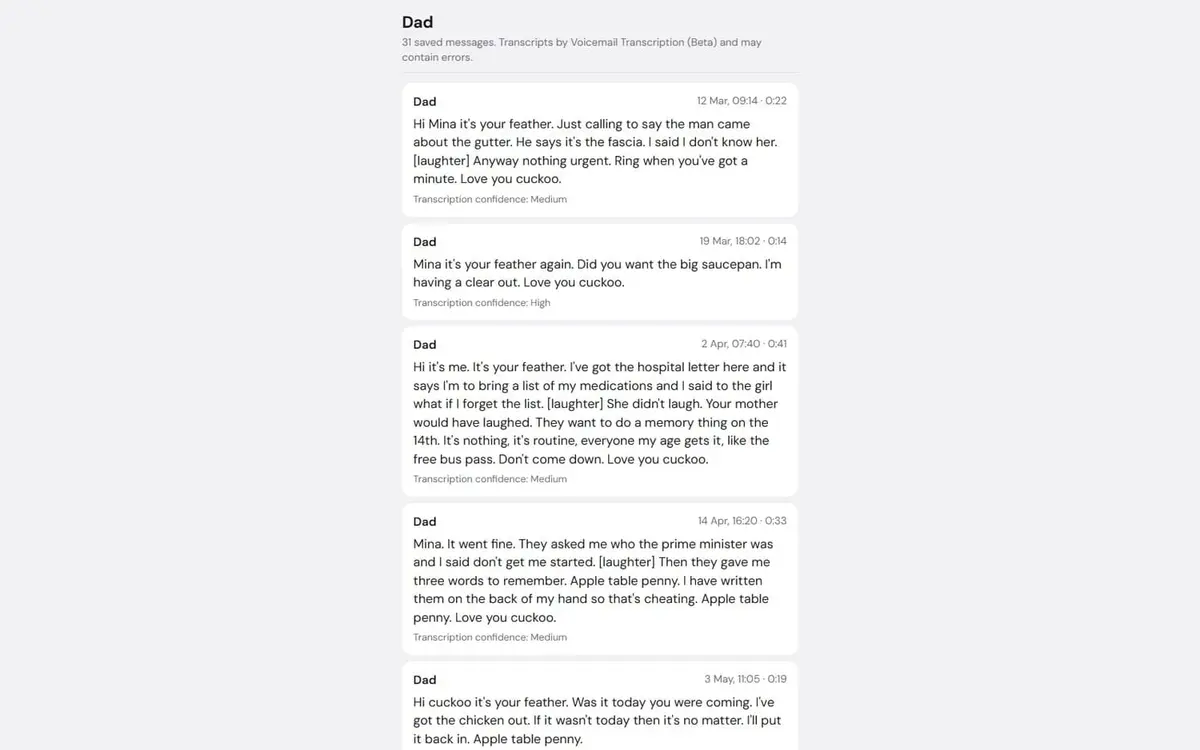
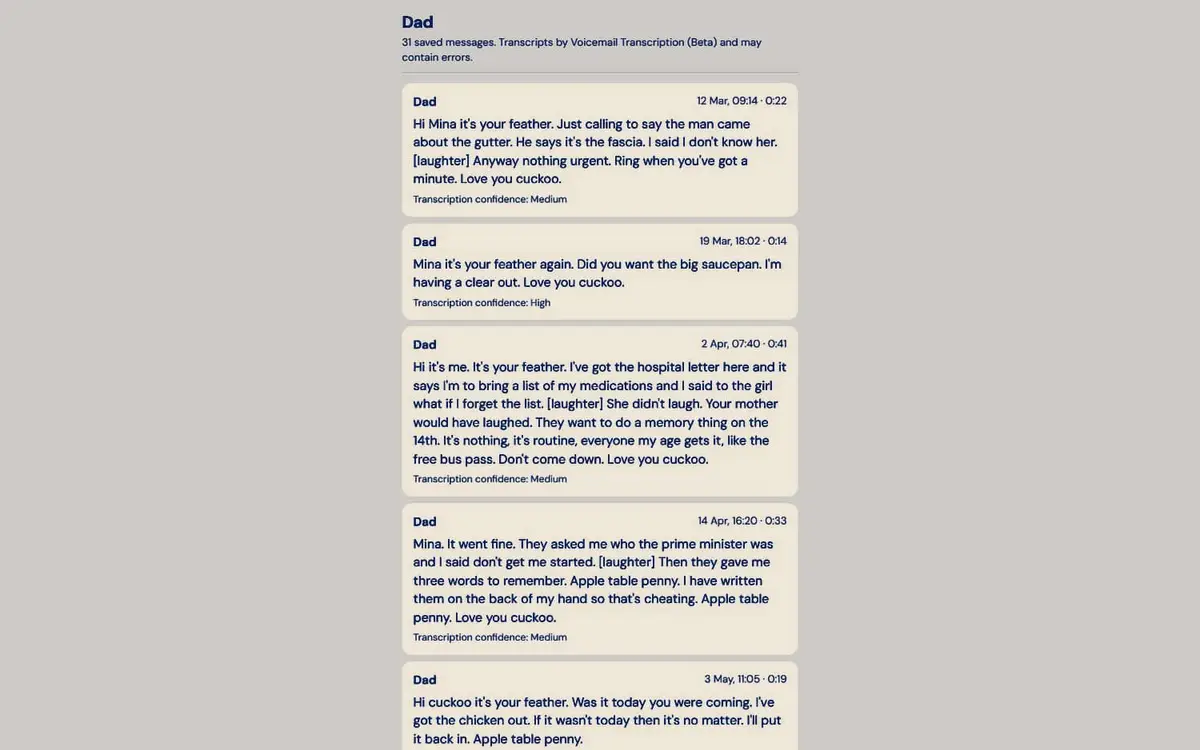 Transcription BetaA short story told through a phone's failing voicemail transcripts. It asks you, at the end, whether to correct them.PN.26.010. Short story, Interactive fiction.
 Impossible RoomsFive surreal interiors and landscapes, each rendered for thousands of light paths per pixel.PN.26.001. Print series.