PN.26.005. Art. Studio project, 2026.
Tide Tables
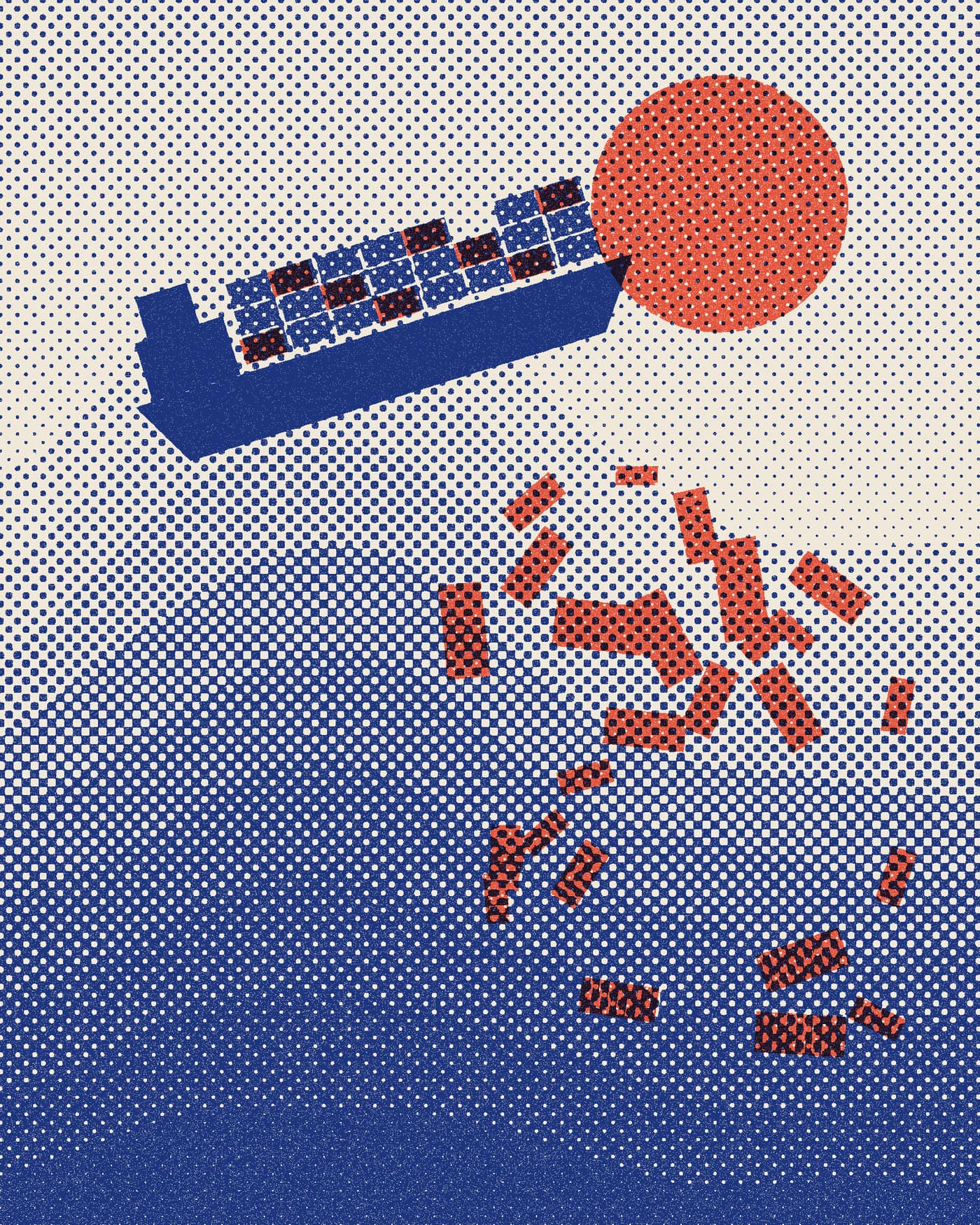
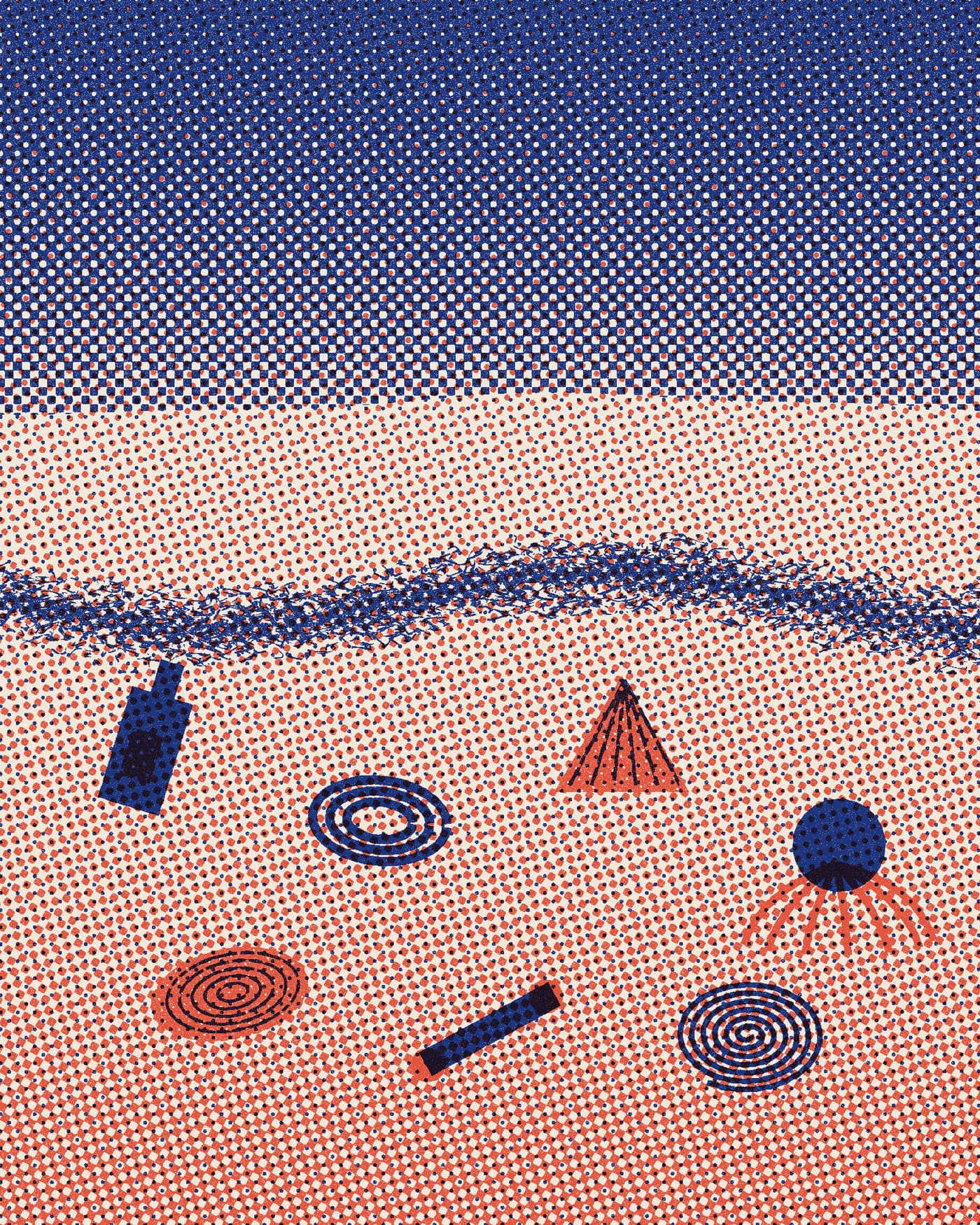
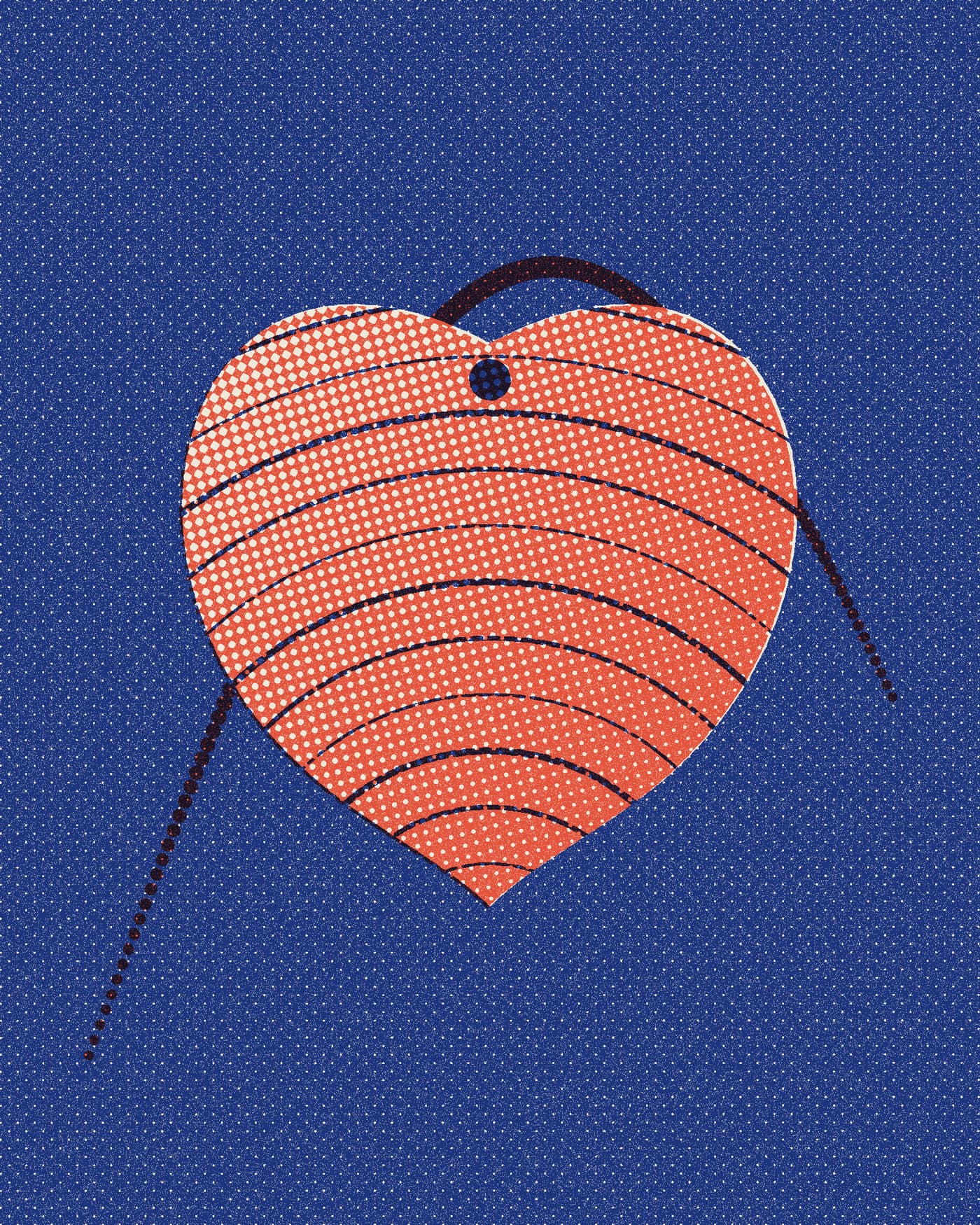
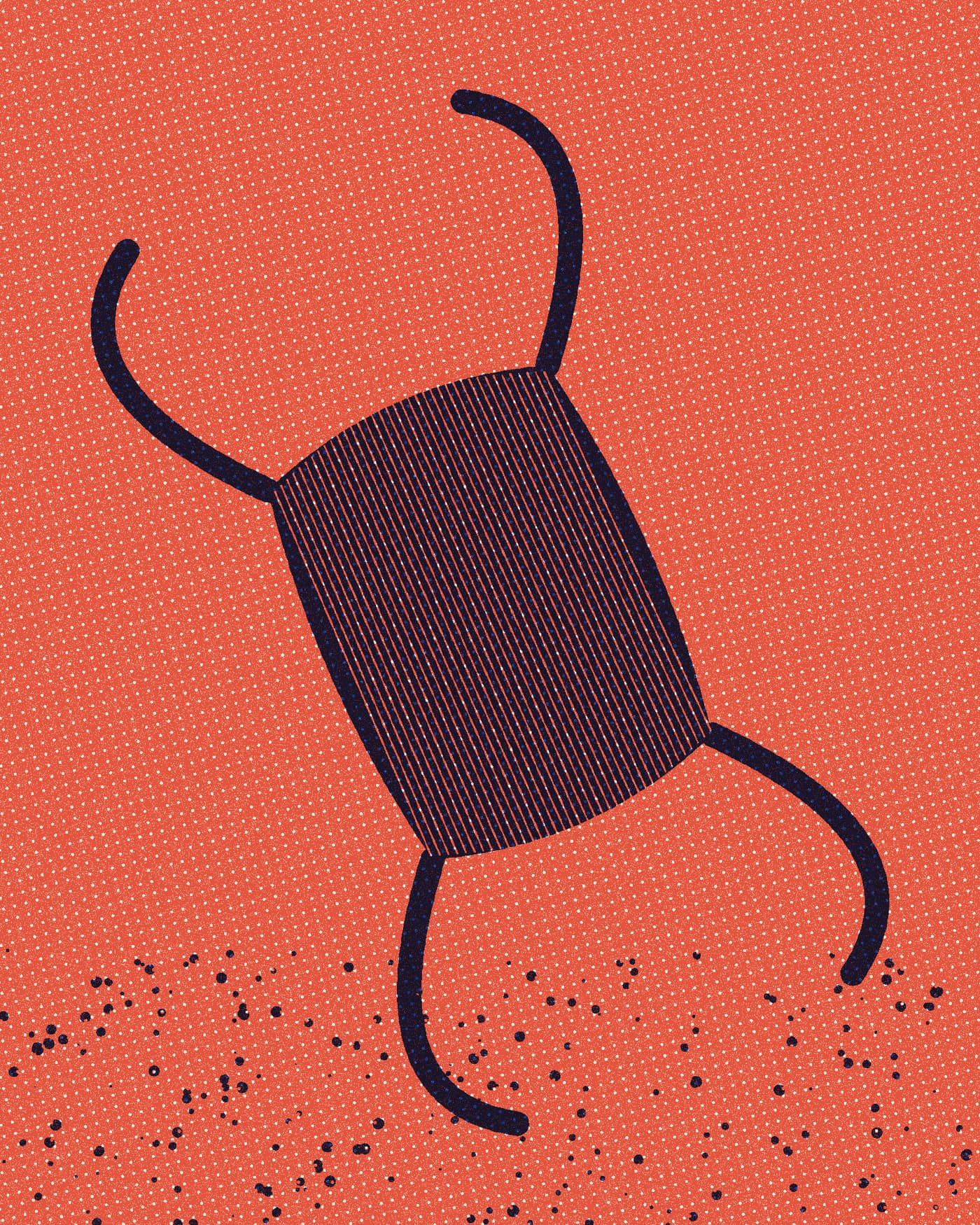
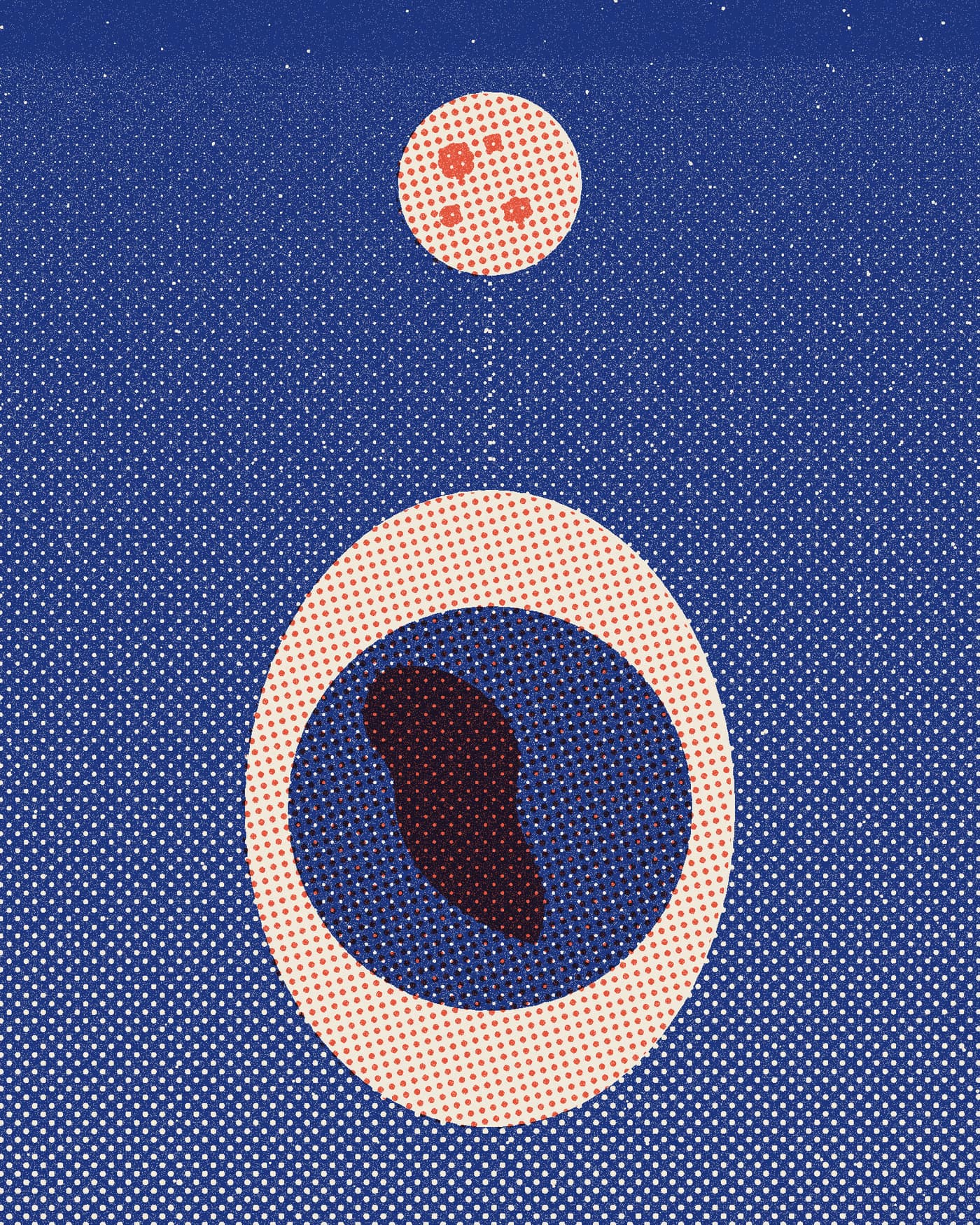
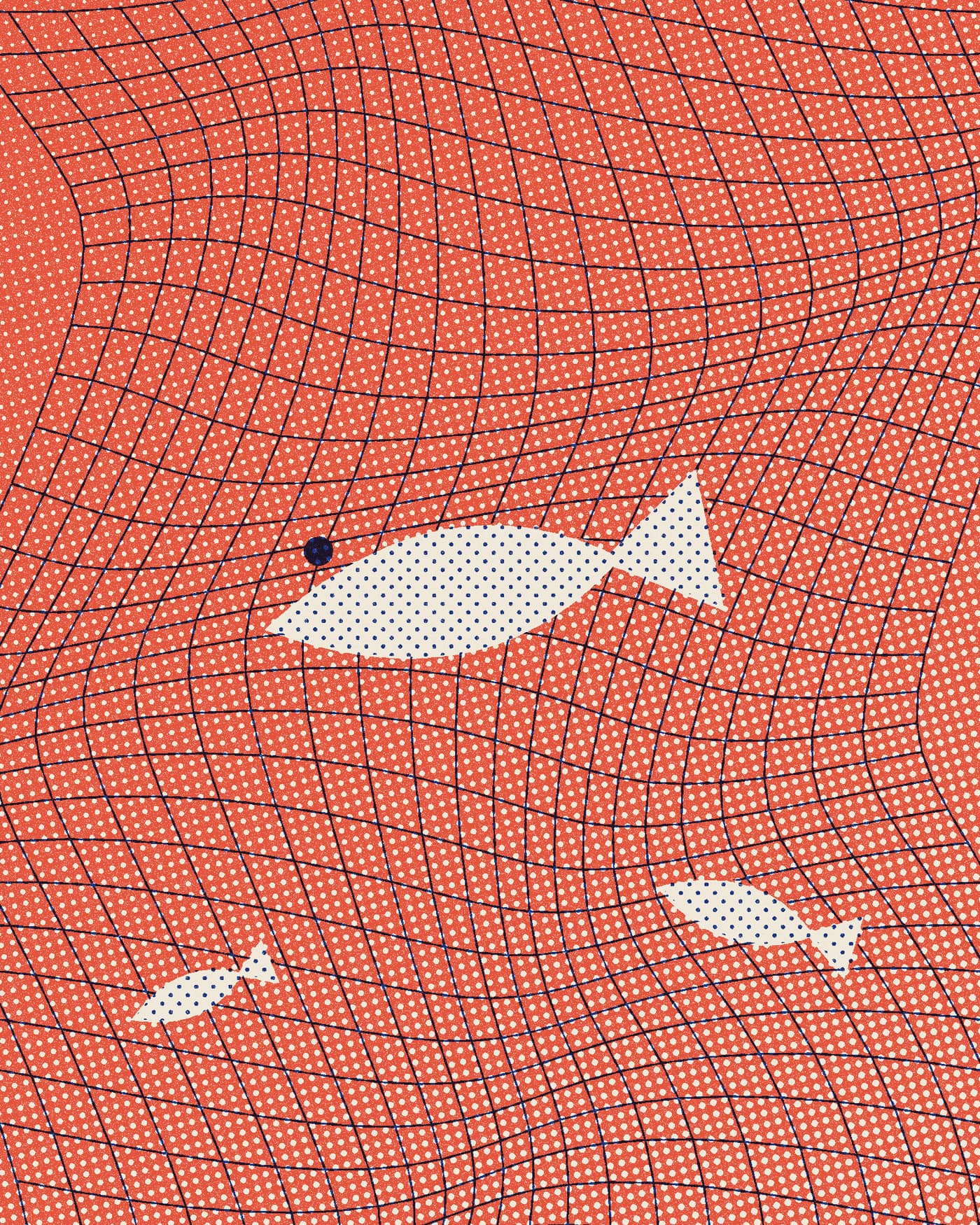
Six editorial illustrations printed on a risograph press that exists only as code.
The brief
Produce an editorial illustration series with a distinctive voice, for a magazine about the coast.
The idea
Each plate is drawn as two greyscale separations, one for each ink drum. A small press in the browser then screens the greys into real halftone dots at different angles, knocks the drums out of register, and overprints the translucent inks so a third colour appears where they meet.
Decisions
- Two inks only, because the limitation does more for a series than any colour palette could.
- Halftones are computed per pixel from a rotated screen, so nothing is a filter or an overlay.
- The drums sit five pixels out of register on purpose. Perfect alignment looks digital.
- Every plate has one strong silhouette that survives at thumbnail size.
How it came together
- Wrote the press first and tested it on plain gradients until the dots looked like ink, not a pattern.
- Composed each plate as two separate drawings, thinking in overprints rather than colours.
- Set them in the Tidewrack magazine to prove they work at editorial sizes.
How it works
press.js renders each separation to a canvas, then walks every pixel: it compares ink density against a rotated cosine screen, offsets one drum, adds paper tooth, and multiplies the two inks over the paper colour.
Want something like this?
Tell us what you are making. A few lines is enough to start.
Hanging nearby
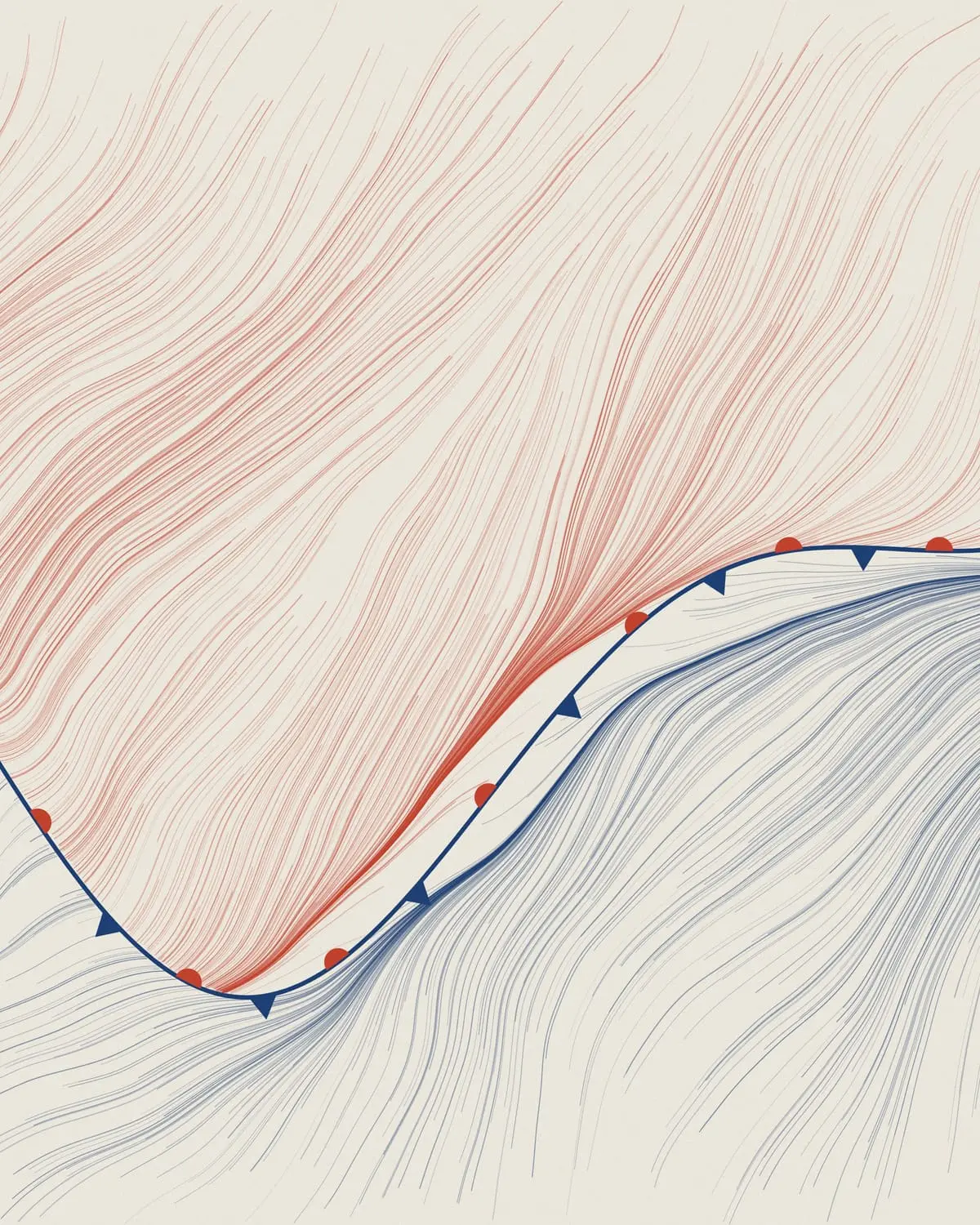
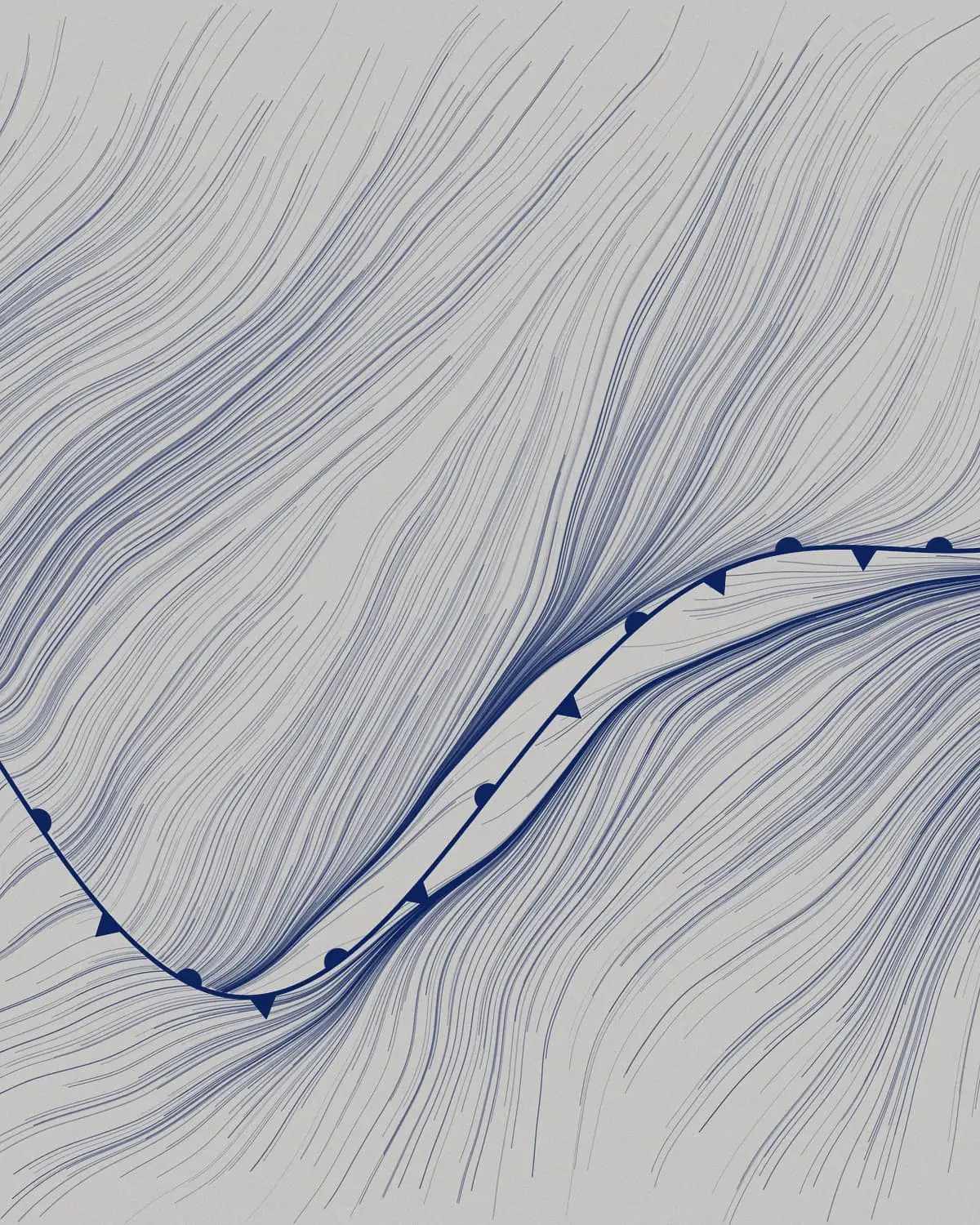 Seven WeathersSeven algorithms, one climate. Drizzle is falling strokes, Anticyclone is contour lines, Hard Frost is one rule about sixty degrees.PN.26.018. Print series, Interactive viewer.
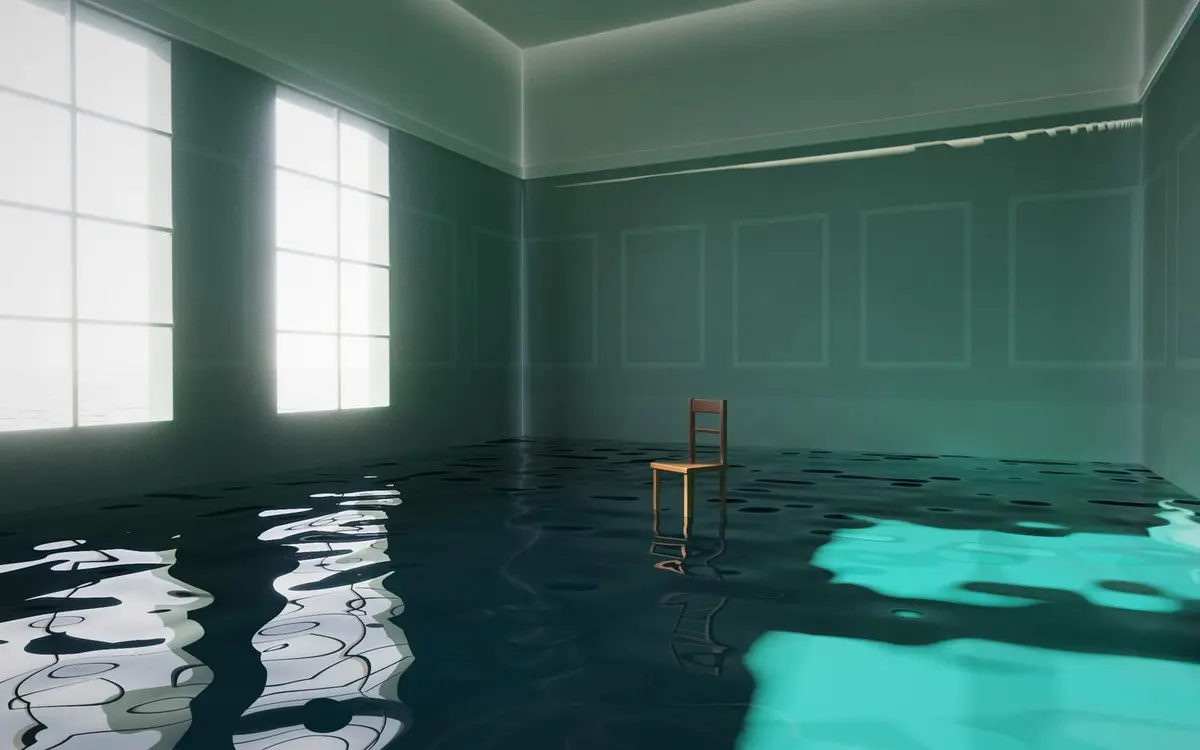
 Impossible RoomsFive surreal interiors and landscapes, each rendered for thousands of light paths per pixel.PN.26.001. Print series.
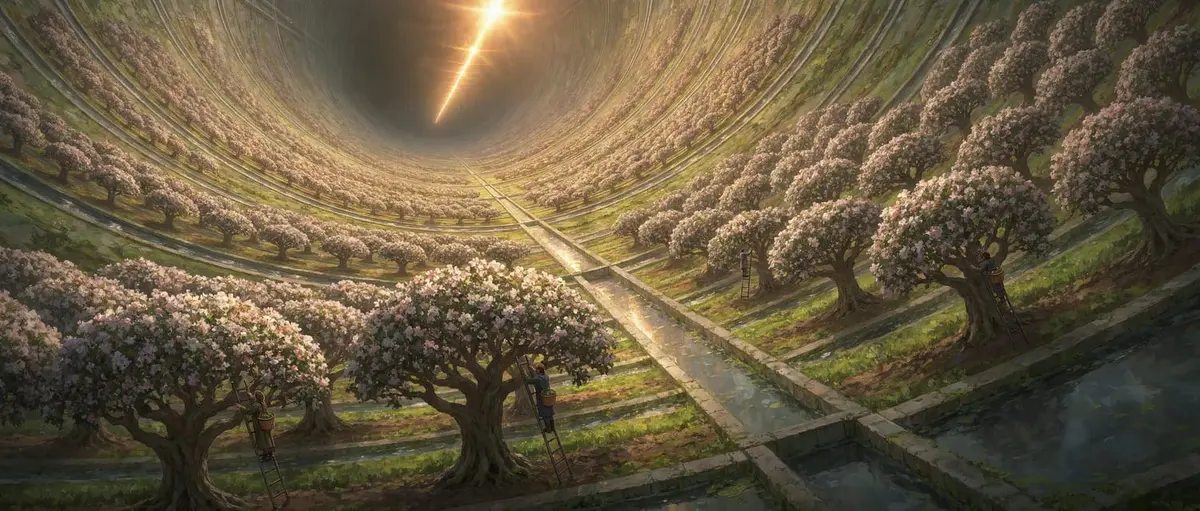
 Outer ProvincesA gazetteer of the far edges of a settled future: a salt elevator, farms on aqueducts, a monastery in a melting iceberg.PN.26.013. Concept art, Short fiction.